
Protective tapes are commonplace when working with stainless steel and aluminium whether you are buying material directly from the mill, stock holding, having sheets polished and coated, or fabricating the sheets yourself you will no doubt be familiar with various types of protective finishes.
Professional Polishing have been working with protective tapes on polished metals for many years so have practical experience in how they perform but for technical advice on specific metals, finishes and processes you should always consult the protective tape manufacturer.
Why choosing the right protective tape matters for polished metals
The polished finish may be technically excellent, but the finished surface can still be compromised during handling, fabrication, assembly, transit and storage. The protective tape used acts as a temporary barrier against scratches, dirt and contamination, it doesn’t simply make handling easier, it protects that excellent finish you require for your finished product.
But not all metals require the same tape
A protective film typically consists of a plastic carrier or backing film and an adhesive layer. The backing provides the physical barrier against scratches, contamination and handling damage, while the adhesive controls how securely the film stays in place and how cleanly it can subsequently be removed. Some products also incorporate additional coatings or treatments to provide specific processing characteristics.
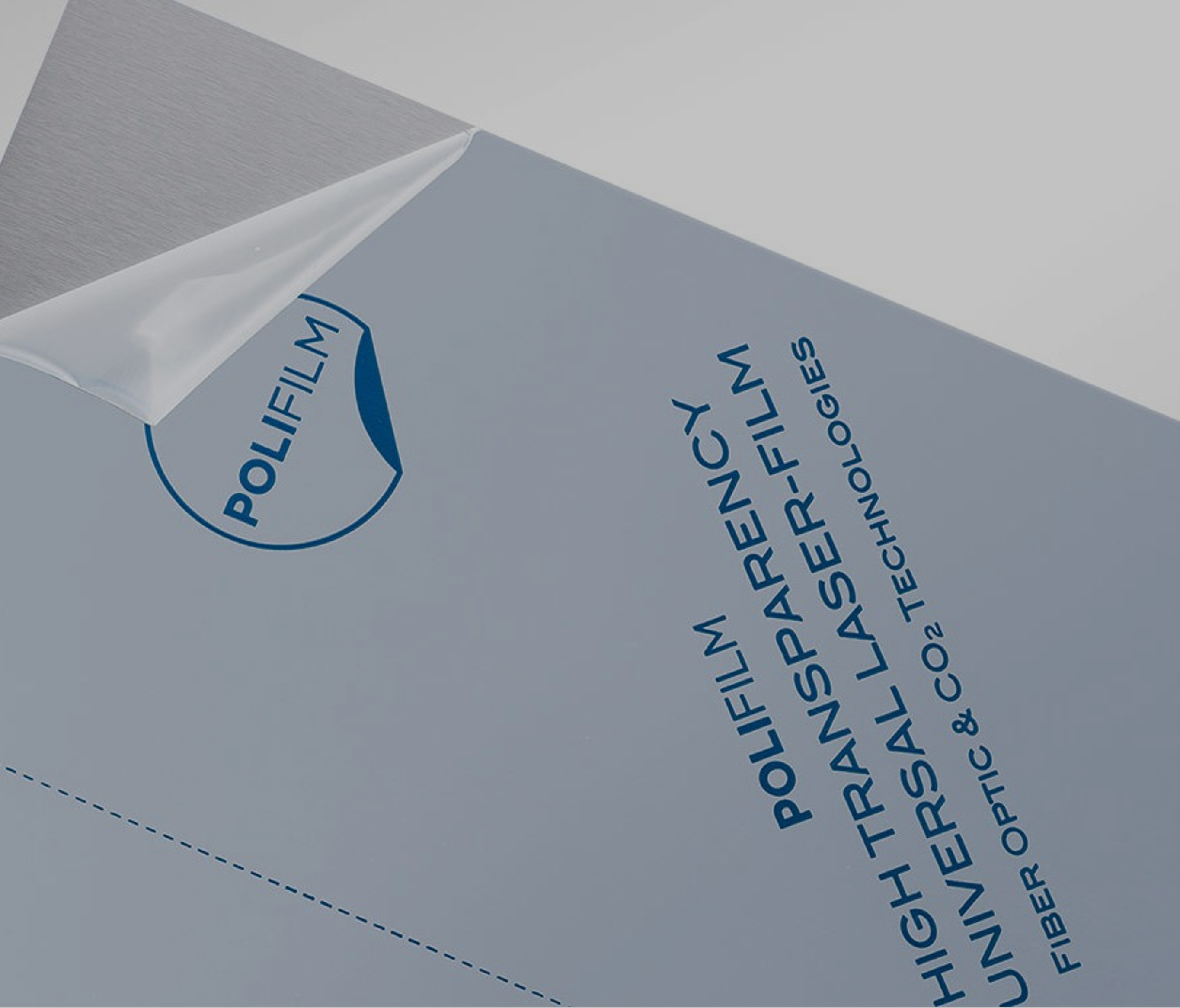
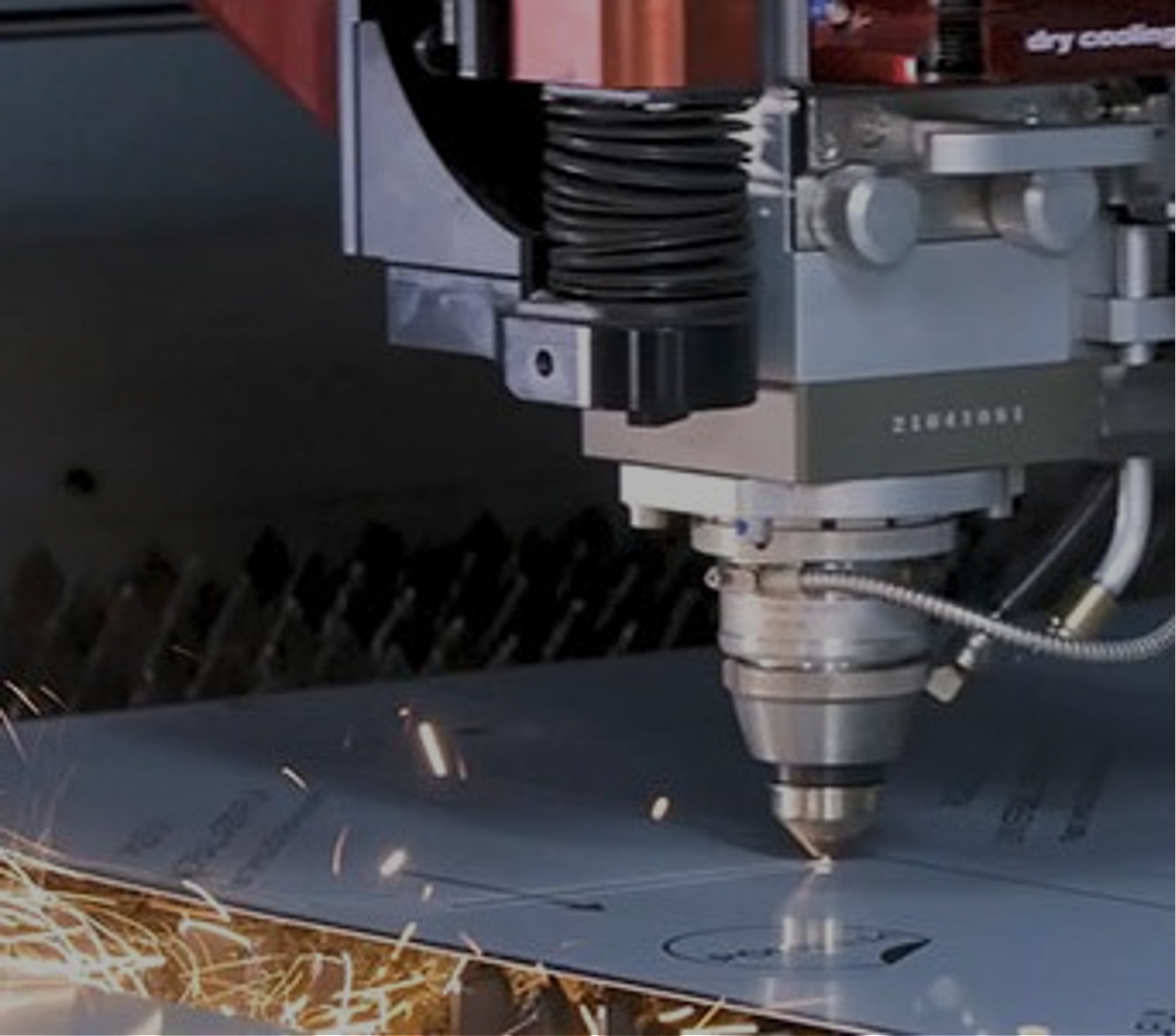
In stainless steel and aluminium, the two most common tapes are standard tape and laser film. Standard protective films and laser-processing films are designed for different processing conditions. Laser films are formulated as part of a system designed to withstand the heat and energy involved in laser cutting while maintaining sufficient adhesion to keep the film in position.
If standard tapes are used when laser cutting this lifting may also cause further problems by wrapping around the laser head resulting in unnecessary down time. The adhesives used in laser film are designed to maintain performance in the temperatures required for laser cutting, holding the protective film securely against the metal and protecting the polished finish. Many laser films are printed with markings, arrows or other identifiers to distinguish them from standard protective films and to provide information about the intended processing direction or application. However, appearance and markings vary between manufacturers and products.
In yellow metals such as brass and copper, adhesive selection becomes particularly important. Copper and copper alloys can interact chemically with some adhesive systems, and conventional rubber-based protective films have historically presented compatibility challenges. These interactions can potentially result in surface degradation or discolouration; this is particularly relevant in highly polished brass and copper where even subtle chemical changes can affect the appearance. Specialist protective films are available that have been specifically formulated and tested for copper, brass and other copper alloys and we are happy to work with you to discuss the application and future processes to find the most suitable protection for your project.
Considerations
Selecting a protective film should begin with the complete manufacturing process rather than the metal alone.
A film that is suitable for protecting a polished stainless steel sheet during storage may not be suitable if that sheet is subsequently laser cut, formed, welded or exposed to high temperatures. Likewise, a film that performs well on stainless steel cannot automatically be assumed to be suitable for brass or copper.
The right specification therefore depends on a combination of factors:
* Metal type
* Metal finish
* Storage duration
* Fabrication processes
* Exposure to extreme temperatures, UV and moisture
* Final removal
All these things should be taken into account when choosing the best protective tape for your project.
Storage & Shelf Life
Protective films are temporary-life products. Manufacturers specify storage conditions and depending on the product, shelf-life or warranty periods. These can vary considerably between films, so the manufacturer's technical data should always be consulted. For this reason, effective stock rotation is important. At Professional Polishing, we aim to use film within the manufacturer's recommended period and avoid retaining old stock unnecessarily.
Application
In the technical specifications of each protective tape, it will state an optimum temperature range for application and storage. In the UK, ambient temperatures can vary considerably throughout the year, so the recommended application and storage temperature ranges should be considered when handling protective films. Temperatures below the recommended will not adhere as well whereas temperatures above the recommended range can alter adhesive behaviour, potentially increasing adhesion, residue or removal difficulties.
Fabrication
The tape used needs to retain its protective properties during the next stages of fabrication. Laser cutting even when using laser film can still cause localised lifting or degradation if the film specification and cutting parameters are not well matched. The heat generated during cutting can affect both the carrier film and adhesive system. For this reason, the film specification should be discussed with the laser company, and cutting parameters should be established for the particular film and material combination being used.
Ageing
With a relatively short shelf life the age of the tape plays a large part in its protective ability. Adhesive degrades over time and if it is not used within a reasonable period, can cause problems later down the line. Issues we have seen include the adhesive drying out leaving the protective outer layer sitting on bare metal, and adhesive offsetting when the outer plastic goes brittle and lifts from the adhesive layer. In severe cases, adhesive contamination or surface damage may require additional cleaning or refinishing, potentially including re-polishing so it is always worth considering the time needed between polishing and final usage.
Our Experience
There are some things that after 40 years still surprise even us! We have seen what appears to have been a major non-conformance in the polishing of a steel sheet, when on further inspection was in fact a visual disparity on the printing of the outer layer of tape. Pit marks that were left in the polished finish caused by weld sparks that had melted the protective tape into the polished surface, the high temperatures of weld sparks were not considered when choosing the protective tape.
That’s why it’s important to look at every aspect of the production process and we are more than happy to share our experience, spec sheets for the protective tapes we regularly use or put you in touch with a protective tape manufacturer that can help you find the best solution for your project and protect your polished finish.
Technical note
Protective film performance depends on the specific film construction, adhesive, substrate, surface finish, processing conditions and storage environment. The information in this guide is intended as general guidance and should not replace the technical data or recommendations provided by the protective-film manufacturer.
Where laser cutting, welding, forming or other high-temperature processes are involved, the film should be verified for suitability before production.
With special thanks to Polifilm for technical support and imagery.